

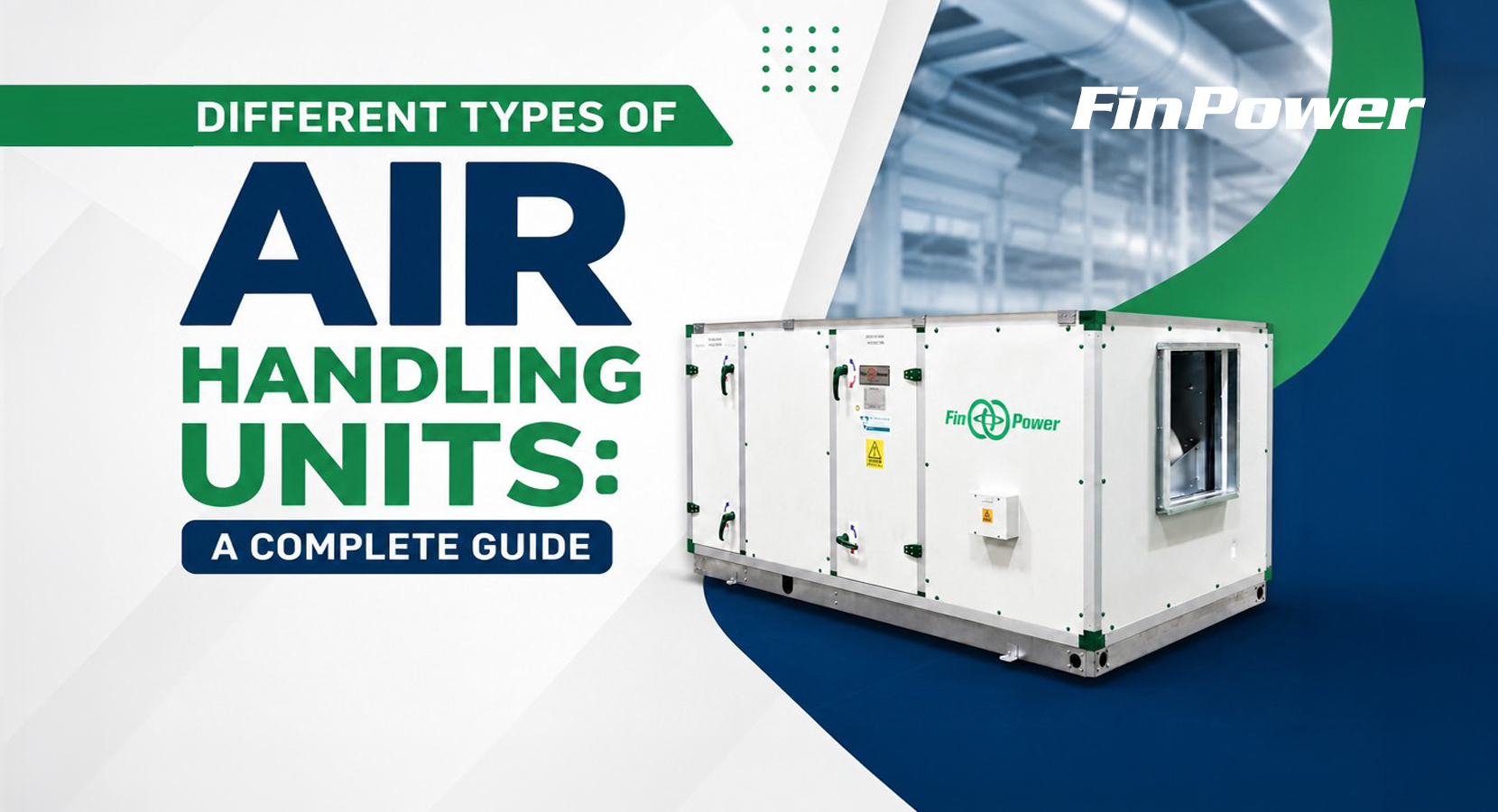
Indoor air quality, energy efficiency, and occupant comfort are critical factors in modern buildings. At the heart of every efficient HVAC system is the Air Handling Unit (AHU). It conditions and distributes air throughout a facility. Different AHU types are designed for specific applications. These include ventilation, cooling, heating, hygiene control, and energy recovery needs.
In this article, we explore the different types of AHUs. We also look at their applications in commercial, industrial, healthcare, and specialized environments.
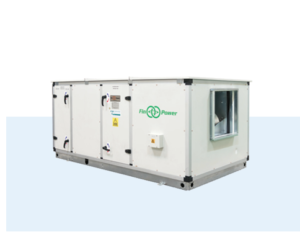
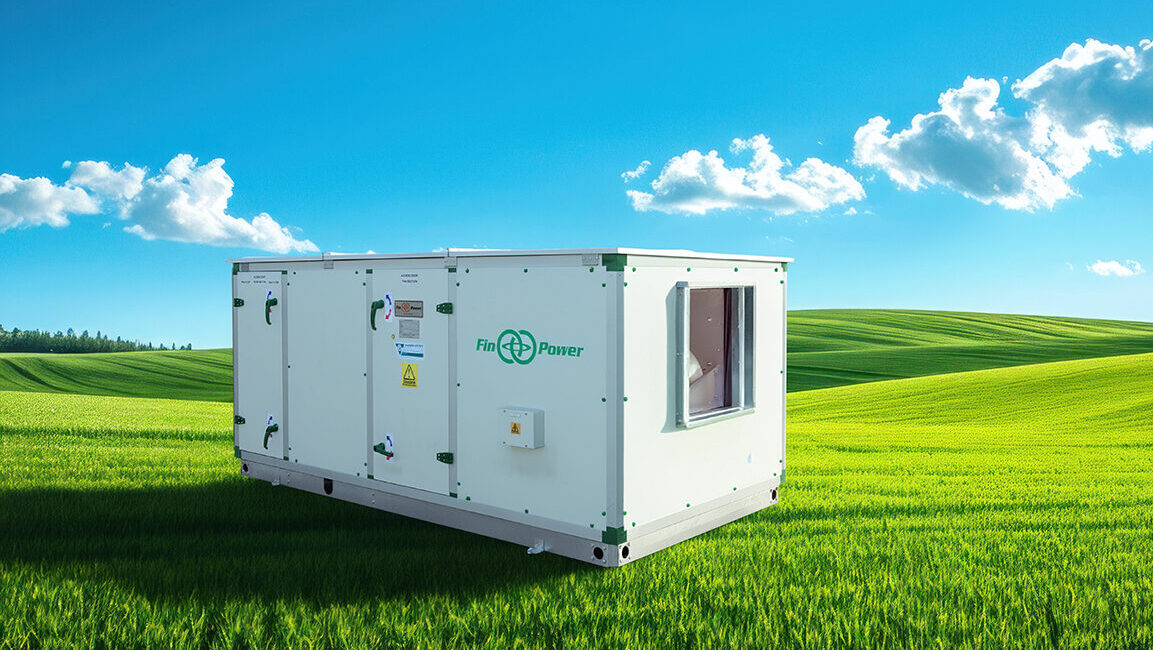
An Air Handling Unit (AHU) is the most commonly used air distribution system in HVAC applications. It regulates, filters, cools, heats, and circulates air to maintain desired indoor conditions.
Modern AHUs are engineered for superior performance. They also reduce energy consumption. They are widely used in offices, shopping malls, hotels, schools, and industrial facilities.
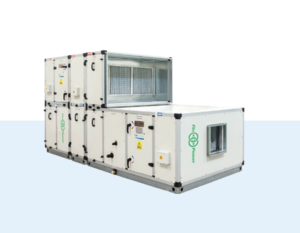
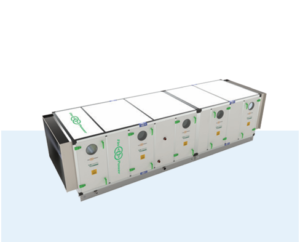
Hygienic Air Handling Units (HAHUs) are specially designed for environments where contamination control is critical. These units are widely used in healthcare facilities, pharmaceutical plants, semiconductor manufacturing, and food processing industries.
Built with hygienic materials, smooth internal surfaces, and easy-to-clean components, HAHUs help maintain strict cleanliness standards while ensuring reliable HVAC performance.
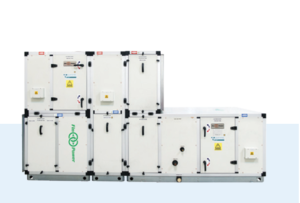
Air Handling Units equipped with Heat Recovery systems are designed to improve energy efficiency by recovering thermal energy from exhaust air and transferring it to incoming fresh air.
This process significantly reduces energy consumption while maintaining a comfortable indoor environment, making these systems ideal for sustainable building designs.
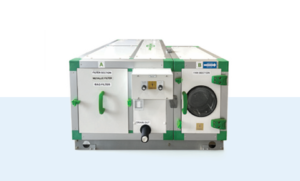
A Heat Recovery Unit (HRU) recovers waste heat from extracted air and reuses it within the HVAC system. It uses energy that would otherwise be lost, helping reduce heating and cooling loads.
These units play a vital role in energy conservation and contribute to lower carbon emissions.
Heat Recovery Ventilators (HRVs) are advanced ventilation systems designed to improve indoor air quality while reducing energy consumption. They recover heat from outgoing stale air and transfer it to incoming fresh air, helping maintain comfortable indoor temperatures with minimal energy loss.
HRVs provide a continuous supply of fresh, filtered air, improve ventilation efficiency, and reduce the load on HVAC systems. They are ideal for commercial buildings, industrial facilities, healthcare environments, educational institutions, and residential applications where energy-efficient ventilation is essential.
ERVs recover both heat (temperature) and moisture (humidity) from exhaust air and transfer them to incoming fresh air. This improves indoor air quality, maintains comfortable humidity levels, and reduces HVAC energy consumption, making them ideal for energy-efficient ventilation applications.
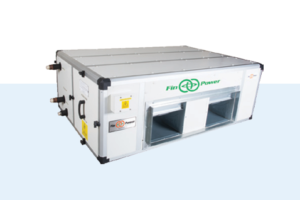
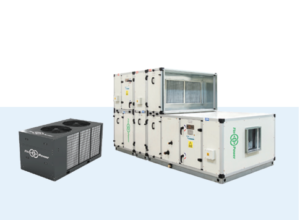
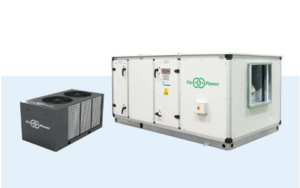
DX Type Fresh Air Handling Units (FAHUs) and Air Handling Units (AHUs) utilize Direct Expansion (DX) technology to deliver efficient cooling, precise temperature control, and optimized humidity management. Designed for high-performance applications, these systems eliminate the need for a separate chilled water system, making them a cost-effective and energy-efficient solution.
Equipped with intelligent controls, DX units ensure reliable operation, enhanced energy savings, and consistent indoor air quality. They are widely used in commercial buildings, data centers, industrial facilities, and other environments that demand cooling and ventilation.
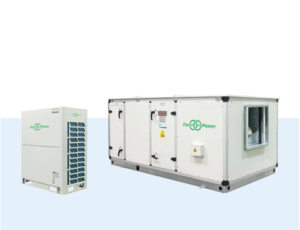
DX Type VRF AHUs combine the advantages of Air Handling Units with Variable Refrigerant Flow (VRF) technology. This integration provides intelligent climate control, precise air management, and exceptional energy efficiency.
These units are ideal for modern buildings seeking flexible and scalable HVAC solutions.
Choosing the Right Air Handling Unit
Selecting the right Air Handling Unit depends on several factors, including building type, occupancy levels, indoor air quality requirements, energy efficiency goals, and application-specific needs.
Whether your project requires fresh air ventilation, hygienic air treatment, heat recovery, or advanced DX and VRF solutions, choosing the appropriate AHU can significantly improve system performance, occupant comfort, and long-term operating costs.
Conclusion
Air Handling Units play a critical role in delivering clean, comfortable, and energy-efficient indoor environments. From standard AHUs and FAHUs to specialized Hygienic AHUs, Heat Recovery Units, and advanced DX-VRF systems, each solution meets unique operational requirements.
At Finpower, we provide a comprehensive range of high-performance air handling solutions engineered to deliver reliability, energy efficiency, and superior indoor air quality across commercial, industrial, healthcare, and specialized applications.
© Copyright 2026 Maxell Global All Rights Reserved